Introduction: More Than Just Tobacco
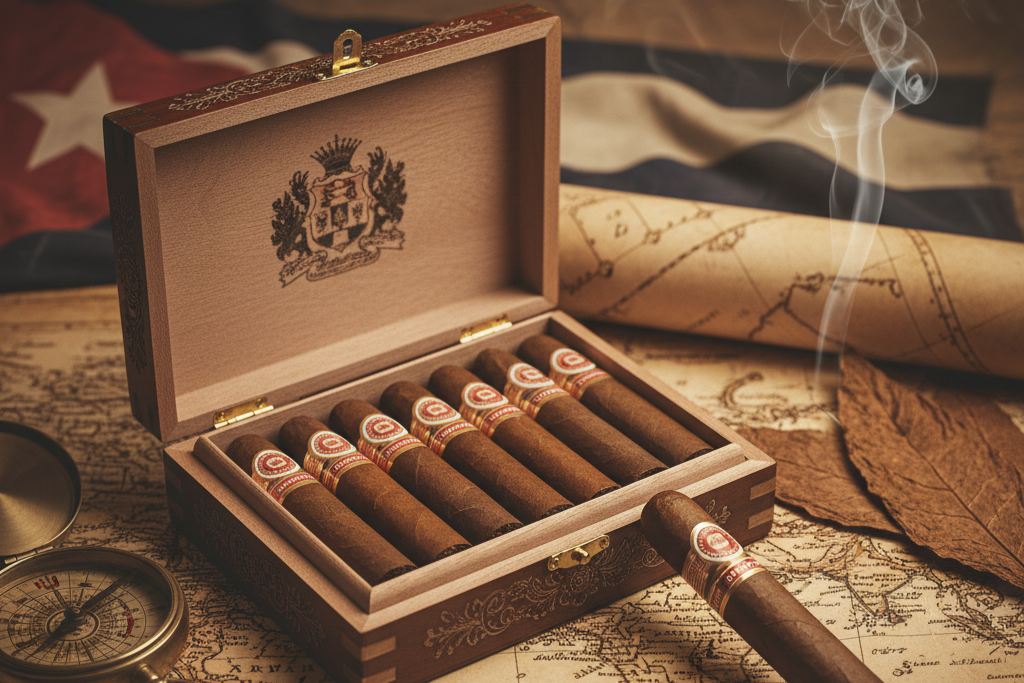
When people think of cigars, one name rises above all others: Cuba. For centuries, Cuban cigars have symbolized luxury, craftsmanship, and tradition. But how did this small island earn its legendary reputation? The story of Cuban cigars is as rich and complex as the cigars themselves.
The Origins: Tobacco in the New World
Long before cigars became a global symbol of status, tobacco was sacred.
- Indigenous peoples in the Caribbean and the Americas cultivated and smoked tobacco for spiritual and medicinal purposes.
- When Christopher Columbus arrived in 1492, he observed locals rolling tobacco leaves and smoking them — a practice he introduced to Europe.
- From there, tobacco quickly spread across the continent, sparking fascination among royals and commoners alike.
✅ Cuba’s fertile soil and tropical climate made it the perfect birthplace for premium tobacco.
The Rise of Cuban Cigar Industry (18th–19th Century)
By the 1700s, Cuba was already recognized for producing some of the world’s finest tobacco.
- In 1817, Spain lifted restrictions on tobacco trade, and Cuban cigars began reaching global markets.
- Havana emerged as the epicenter of cigar craftsmanship, with factories producing hand-rolled masterpieces.
- Legendary brands like Partagás (1845), H. Upmann (1844), and Romeo y Julieta (1875) were born, cementing Cuba’s reputation.
Cigars became a symbol of sophistication among Europe’s elite — from British statesmen to Spanish royalty.
The Golden Age of Cuban Cigars (Early 20th Century)
The early 1900s marked a boom for Cuban cigars.
- Factories expanded, and exports soared.
- Torcedores (master rollers) became cultural icons, admired for their unmatched skill.
- Cuban cigars became a symbol of luxury, leisure, and power worldwide.
During this period, the phrase “the best cigars come from Cuba” became more than marketing — it became truth.
The Revolution & Nationalization (1959 Onwards)
Cuba’s cigar story took a dramatic turn after the Cuban Revolution in 1959.
- The new government nationalized the cigar industry, taking control of all factories.
- Brands continued to exist, but now under state ownership.
- The U.S. embargo in 1962 banned Cuban cigars in America, creating a mystique around them.
Ironically, this scarcity only increased their prestige, making Cuban cigars even more desirable.
Cuban Cigars Today
Despite challenges, Cuban cigars remain an enduring global symbol.
- Brands like Cohiba, Montecristo, and Bolívar are world-renowned.
- Production is carefully regulated to maintain the “Hecho en Cuba” (Made in Cuba) standard.
- Cuban cigars are still hand-rolled, honoring centuries-old traditions.
✅ Today, they are not just cigars — they are heritage, culture, and art wrapped in a leaf.
Conclusion: Legacy in Every Draw
The history of Cuban cigars is one of discovery, artistry, and resilience. From indigenous roots to global fame, they have shaped cigar culture in ways no other region has.
At Casa Cigar, we celebrate that legacy — not just by selling cigars, but by honoring the tradition and craftsmanship that make every smoke an experience, not just a habit.