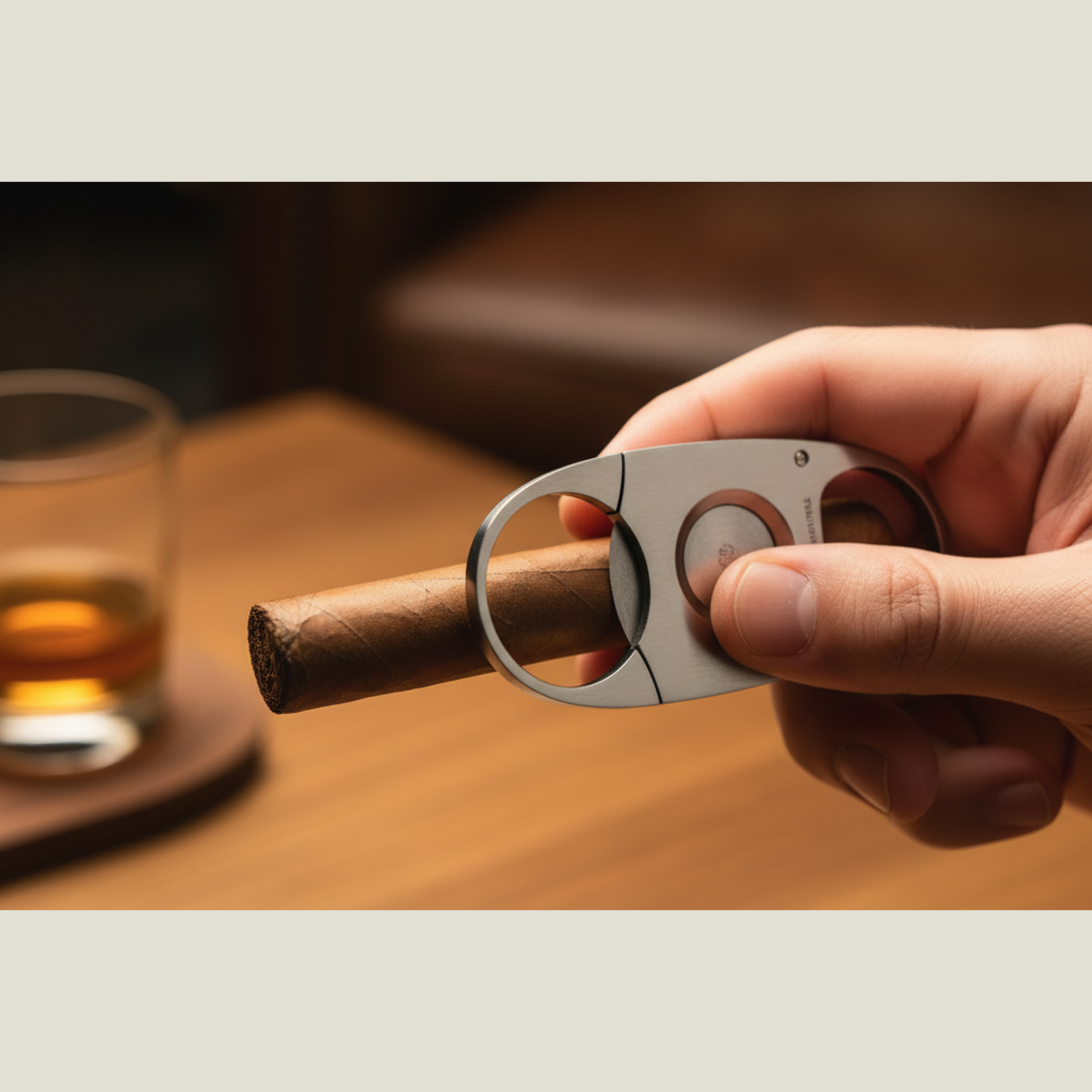
Starting your journey into the world of cigars can feel both exciting and a little intimidating. With so many brands, shapes, sizes, and rituals, beginners often wonder: Where do I start? This guide breaks down the fundamentals in an easy-to-follow way so you can enjoy your first cigar with confidence.
Why Cigars Are Different from Cigarettes
Before diving in, it’s important to understand that cigars are not cigarettes.
- Cigars are made from 100% natural tobacco leaves, hand-rolled with care and tradition.
- Unlike cigarettes, cigars are not inhaled — the pleasure comes from savoring the smoke in your mouth, enjoying the flavors and aromas.
- Smoking a cigar is not about quick nicotine delivery, but about relaxation, ritual, and craftsmanship.
The Structure of a Cigar
Every cigar has three key parts. Knowing them helps you understand why each step — from cutting to smoking — matters:
1. Wrapper
- The outer leaf, smooth and often the most visually appealing.
- Contributes significantly to the flavor and aroma.
2. Binder
- Holds the filler together.
- Provides structure and helps the cigar burn evenly.
3. Filler
- The heart of the cigar, made of long or short tobacco leaves.
- Determines much of the strength and complexity of the smoke.
👉 Tip: A premium cigar is always hand-rolled with whole leaves, while machine-made cigars often use chopped tobacco.
Choosing Your First Cigar
When starting out, avoid going too strong. Instead, look for mild or medium-bodied options.
- Mild-bodied cigars: Smooth and approachable; ideal for beginners.
- Medium-bodied cigars: A balance of flavor and strength; great for exploring further.
- Full-bodied cigars: Stronger, richer, and better suited once you’ve developed your palate.
Some well-known beginner-friendly brands include Macanudo, Romeo y Julieta, and Montecristo (mild blends).
How to Cut and Light a Cigar
Two essential steps before smoking:
Cutting
- Use a guillotine cutter, punch, or V-cutter.
- Cut just above the shoulder (the rounded edge).
- A clean cut ensures proper airflow.
Lighting
- Use a butane torch lighter or wooden match (avoid gasoline lighters).
- Toast the foot of the cigar evenly before taking your first puff.
- Puff gently as you rotate, creating an even burn.
How to Smoke a Cigar
Here’s where beginners often need reassurance: don’t inhale.
- Place the cut end in your mouth.
- Draw smoke slowly and let it linger on your palate.
- Exhale gently and enjoy the flavor.
- Rest the cigar between puffs (about one every 30–60 seconds).
👉 Cigar smoking is about savoring — not rushing.
Common Beginner Mistakes to Avoid
- Inhaling: Cigars aren’t meant to be inhaled like cigarettes.
- Puffing too often: Overheats the cigar, making it harsh.
- Letting it go out too often: It’s fine to relight, but constant relighting affects taste.
- Cutting too deep: Can unravel the wrapper.
- Choosing overly strong cigars: Might ruin the experience for first-timers.
Final Thoughts
Learning about cigars is a journey, not a one-time lesson. The more you explore, the more you’ll appreciate the craftsmanship, flavors, and culture behind them. Start with the basics, practice proper cutting and lighting, and most importantly — enjoy the ritual at your own pace.
Smoking a cigar is about slowing down, appreciating detail, and embracing the moment. Once you’ve got the basics down, you’re well on your way to becoming a true aficionado.